Wat is rigging?
If you attend concerts, festivals or other live events, you’ve almost certainly encountered rigging, even if you didn’t notice it. In the event industry, rigging refers to the systems and equipment used to lift or suspend lighting, audio, video and other technical elements above the audience or stage. Rigging is widely used in concerts, festivals, trade shows, television production and theatre.
What does rigging mean?
Rigging is a collective term for the equipment and techniques used to lift, suspend and support audiovisual systems. This includes items such as truss systems, motor hoists, hoist control and chains. By elevating screens, lighting and sound systems, rigging enhances visibility, coverage and overall audience experience.
Rigging is a core component of the live events and entertainment industry and can be found in venues of all types. From theatres and trade shows to festivals and arena concerts.
What does rigging consist of?
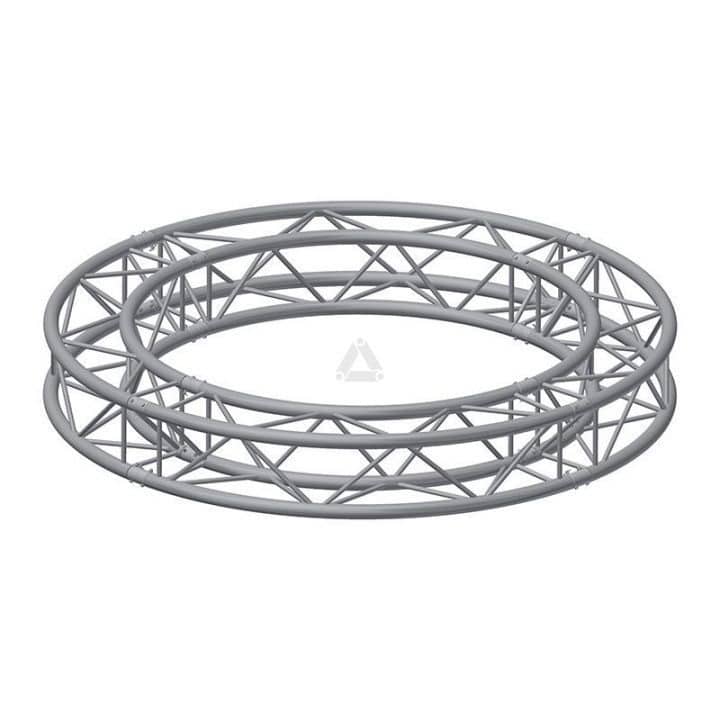
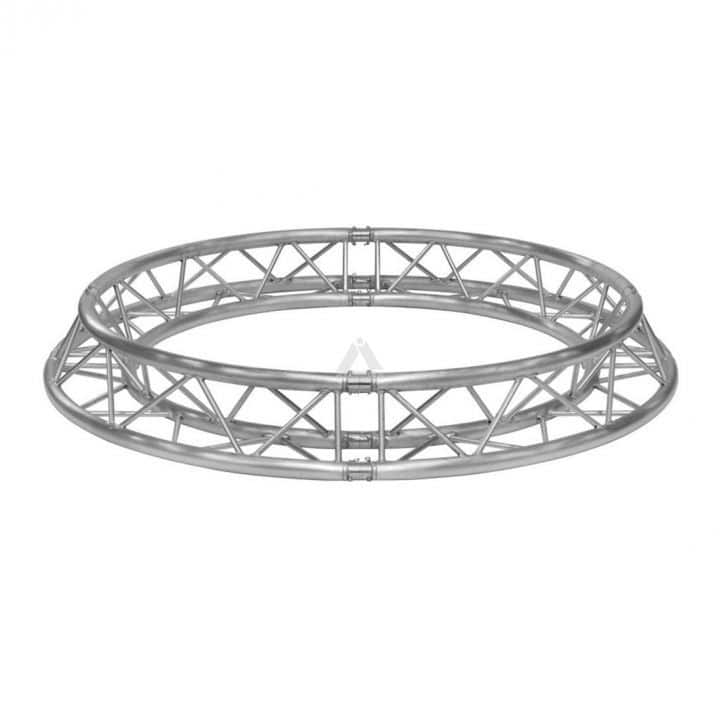
Rigging covers a wide range of equipment and hardware used to lift, suspend or support technical elements. Common rigging components include:
- Trusses
- Motor hoists
- Hoist control
- Steel cables
- Chains
- Baseplates
- Delay torens
- Ground support
Rigging equipment must be safe and reliable. For this reason, components are inspected and certified regularly to ensure they meet the relevant standards used in live events, trade shows and broadcast environments.
What is a rigger?
A rigger is a specialist responsible for safely lifting, suspending and load-handling technical structures such as truss, lighting and audiovisual systems. Safety is central to the role, and all work is carried out according to established procedures and standards.
What does a rigger do?
A rigger ensures that technical structures are assembled correctly and operated safely. This includes setting up truss systems, chain hoists and lifting configurations, and verifying load distribution and stability.
During events, riggers work closely with lighting, audio and video departments to determine safe hang points and routing. Their goal is to create a stable and reliable structure that complies with safety procedures and production requirements.


Where do riggers work?
Riggers operate across a wide range of environments in the live entertainment and event industry. This includes theatres, concert halls, festivals, touring shows, exhibition halls, corporate events and broadcast productions.
Depending on the venue, rigging may rely on fixed overhead points or be built from the ground up using ground support systems. Each space has its own technical constraints and requires a tailored approach.
What is the difference between rigging and a rigger?
Rigging refers to the equipment, systems and techniques used to suspend and support production elements such as truss, chain hoists, lighting and video.
A rigger is the qualified specialist who designs the configuration, installs and operates the equipment, verifies load handling and ensures safe use during the show or broadcast. Rigging is the technical system, the rigger is the person who applies and oversees it.
All of our Truss products
-

Prolyte B100-RV
€1.00 View Product -
Prolyte H30-L
€1.00 View Product -
Prolyte H30-D
€1.00 View Product -
Prolyte S36-V
€1.00 View Product -
Prolyte H30-V
€1.00 View Product -
Prolyte S52-F
€1.00 View Product -
Prolyte S36-R
€1.00 View Product -
Protruss P36 Prerig
€1.00 View Product -
Prolyte H30-V Circle
€1.00 View Product -
Prolyte H30-D Circle
€1.00 View Product -
Prolyte H40-V Circle
€1.00 View Product -
Prolyte S52-V Circle
€0.00 View Product -
Protruss S41
€0.00 View Product -
Protruss S41 Boxcorner
€0.00 View Product -
Protruss S41 Circle
€0.00 View Product -
Prolyte S52-V Square
€0.00 View Product




Need help?
Our webshop is particularly practical for technicians who know exactly what materials are needed to realize their technical plan. Not quite sure which materials are best to rent? If so, we will be happy to help you make a choice. A sketch or a description of your plans and location are often enough for us to provide you with a substantiated recommendation.
Frequently Asked Questions (FAQ)
What is rigging?
Rigging is the collective term for the equipment and methods used to safely lift or suspend lighting, audio, video and scenic elements at events. This includes systems such as truss, chain hoists, steel wire rope and hoist control, which together create a stable and elevated structure.
What does the term “rigging” literally mean?
The term rigging comes from the world of lifting and refers to preparing or setting up equipment so it can be raised or suspended. In the event industry, rigging describes the technical systems and practices used to hang or support installations above the stage or audience.
What is the difference between rigging and truss?
Truss is an aluminium structural element used as the backbone of rigging systems. Rigging is the broader system that also includes chain hoists, hoist control, rigging hardware and the methods used to lift, secure and load these structures safely.
What is a truss?
Truss is a modular aluminium framework that can be linked together to form larger structures. Truss provides mounting points for lighting, LED screens, speakers and scenic elements, and is used as the main structural component in many event rigging setups. Different shapes and lengths allow the system to adapt to various stage designs and venues.
What is a chain hoist used for?
A chain hoist is used to lift and position truss and heavy technical equipment during load-in and to maintain height during the show or broadcast. Chain hoists are available in different capacities and can be controlled individually or via hoist control.
What is hoist control and why is it needed?
Hoist control makes it possible to operate multiple chain hoists at the same time. This ensures even lifting, correct load distribution and prevents truss from tilting or being pulled out of alignment. Hoist control is essential when structures carry significant weight or need precise positioning.
What is ground support rigging?
Ground support is a rigging system built from the floor up when there are no overhead rigging points available. It is commonly used in temporary venues, outdoor locations, exhibition halls and corporate spaces. The structure supports truss and production elements without relying on ceiling points.
What is a baseplate and what is it used for?
A baseplate is a heavy steel plate used as a stable foundation for vertical truss elements. Baseplates are often used when fixed attachment points are not available, such as on festival grounds, in exhibition halls or at outdoor sites.
What is a delay tower in rigging?
A delay tower is a freestanding structure placed at a distance from the main stage to mount loudspeakers. This helps carry audio further into the audience area without loss of coverage or clarity and is commonly used at large outdoor events and festivals.
What is pre-rigging?
Pre-rigging refers to preparing or assembling parts of the system in advance so that load-in and show setup can be done more efficiently on site. This saves time during production builds and helps streamline large-scale touring, broadcast or festival setups.
What is rigging in theatre?
In theatre, rigging is used to raise and position scenery, lighting, speakers and occasionally entire stage elements. The work often takes place above the stage and requires a high level of precision due to limited space and fixed hang points.
What is rigging at concerts?
At concerts and festivals, rigging is used to safely fly lighting, audio, LED screens and scenic elements above the stage and audience. These structures can be complex and heavy, making rigging a critical part of both safety and audience experience.
What is the benefit of rigging at events?
Rigging allows light, sound and video to reach the entire audience, improves sightlines and helps create atmosphere. Without rigging, many show elements would have limited impact or visibility. Rigging is therefore essential to modern live events, touring productions and broadcast shows.
Does rigging equipment need to be certified?
Rigging equipment is subject to significant loading and must meet strict safety requirements. Components are inspected and certified to verify that they comply with relevant standards and can be used safely in live environments.
Rigging rental
Have you gotten a clear picture of what it means and want to rent rigging for an event yourself? Then you have come to the right place at Rigging Box!
At Rigging Box you will rent everything needed for a successful event. Safety is our top priority and our products are regularly inspected and certified.